
In Mozambique, economic growth is crucial for the development of the local industry and the creation of sustainable jobs. One of the most promising avenues for achieving this growth is through the establishment of a lubricant refinery. By focusing on local production and reducing dependency on imports, a lubricant refinery can be a game-changer for the economy, offering multiple benefits to businesses, local communities, and the overall workforce.
Economic Potential of a Lubricant Refinery in Mozambique
A lubricant refinery in Mozambique would play a pivotal role in the country’s industrial development. Lubricants are essential for various industries, including automotive, manufacturing, and agriculture. By establishing a local refinery, Mozambique can capitalize on its existing resources, save on the high costs of imported lubricants, and foster self-sufficiency.
Currently, many businesses in Mozambique rely on imported lubricants, which can be costly and subject to fluctuating international prices. A local refinery would provide a more stable, cost-effective supply of lubricants tailored to the specific needs of local industries. It would also reduce the carbon footprint associated with the transportation of these products, contributing to a greener and more sustainable environment.
Job Creation Through Local Refinery Operations
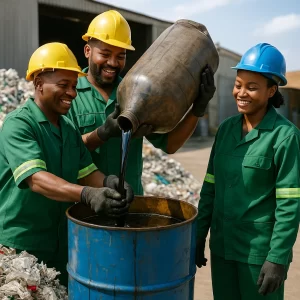
The establishment of a lubricant refinery can significantly boost employment in Mozambique. The construction, operation, and maintenance of the refinery would require skilled workers, including engineers, technicians, operators, and administrative staff. This would provide a wide range of job opportunities for the local workforce, helping to reduce unemployment rates.
In addition to direct employment within the refinery itself, the creation of a local lubricant production hub would stimulate job growth in various supporting sectors. This includes transportation, warehousing, sales, and distribution networks, all of which would thrive as a result of the refinery’s operations.
The local community would also benefit from the training and skill development programs associated with the refinery. These programs would equip workers with the technical expertise required for the oil and gas industry, preparing them for other roles within Mozambique’s expanding industrial sectors.
Positive Impact on Local Businesses
A lubricant refinery would not only create jobs but also enhance the capabilities of local businesses. Local automotive workshops, machinery maintenance companies, and agricultural businesses would have access to high-quality, affordable lubricants. This would lower operating costs and increase productivity, fostering growth within these sectors.
Small and medium-sized enterprises (SMEs) in Mozambique could particularly benefit from more affordable lubricants, allowing them to remain competitive and expand their operations. A steady supply of local lubricants would also create opportunities for these businesses to access new markets, both within Mozambique and across neighboring countries.
Economic Diversification and Sustainable Growth
A local lubricant refinery would contribute to the diversification of Mozambique’s economy. By focusing on the production of lubricants, the country can reduce its dependency on oil exports and diversify its industrial base. This is a crucial step towards building a more resilient economy that can withstand external market fluctuations and global economic crises.
Furthermore, the long-term sustainability of the lubricant refinery would benefit the environment. With a focus on modern refining technologies and green practices, the refinery could minimize its environmental impact. This aligns with Mozambique’s commitment to sustainable development and its role in achieving global environmental goals.
Conclusion
A lubricant refinery in Mozambique offers significant potential for economic growth, job creation, and industrial development. By empowering the local industry, creating employment opportunities, and reducing reliance on imports, a refinery would contribute to a more robust and diversified economy. As Mozambique continues to develop its industrial capabilities, the establishment of a local lubricant refinery stands as a key investment in the future of the country.